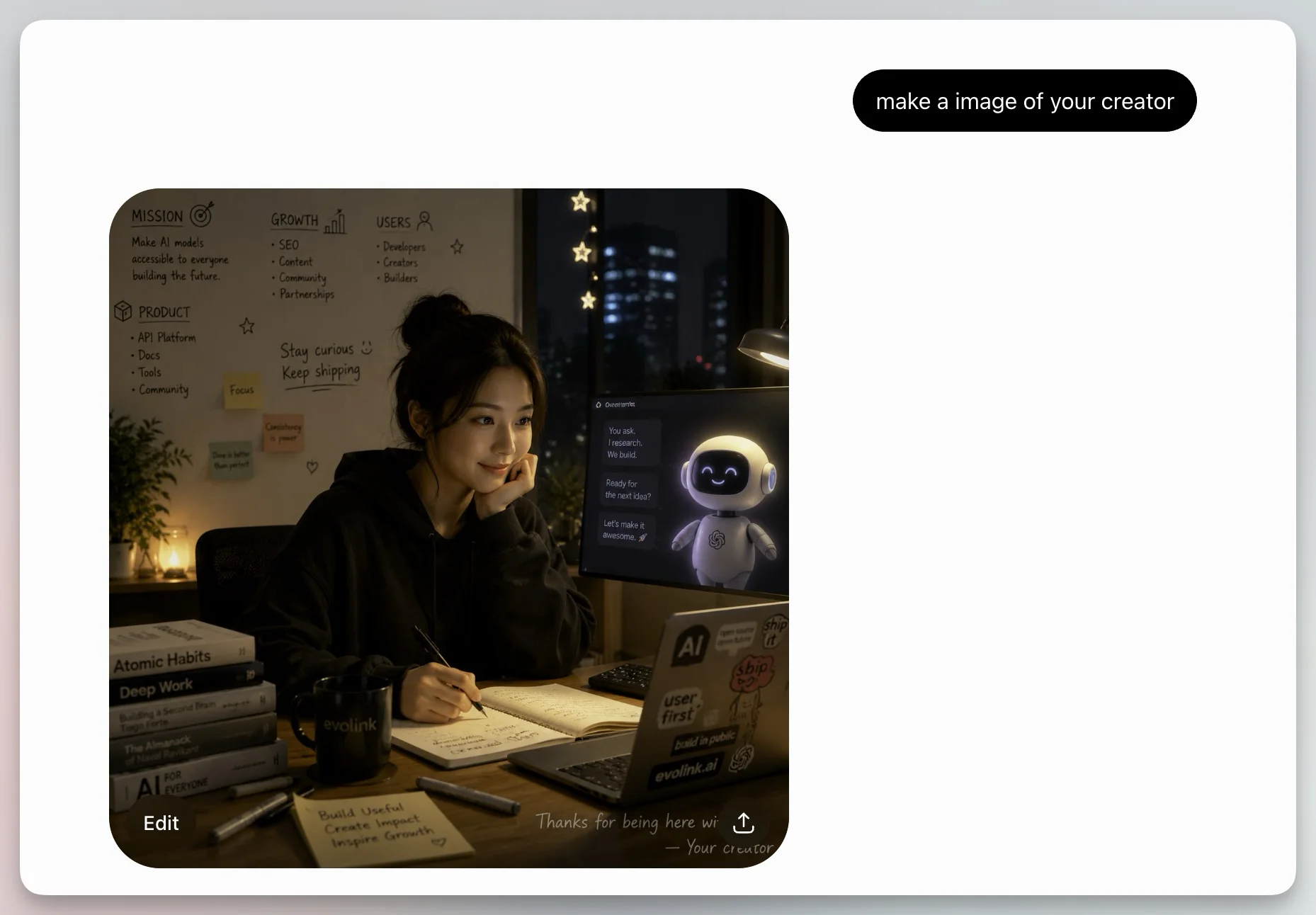
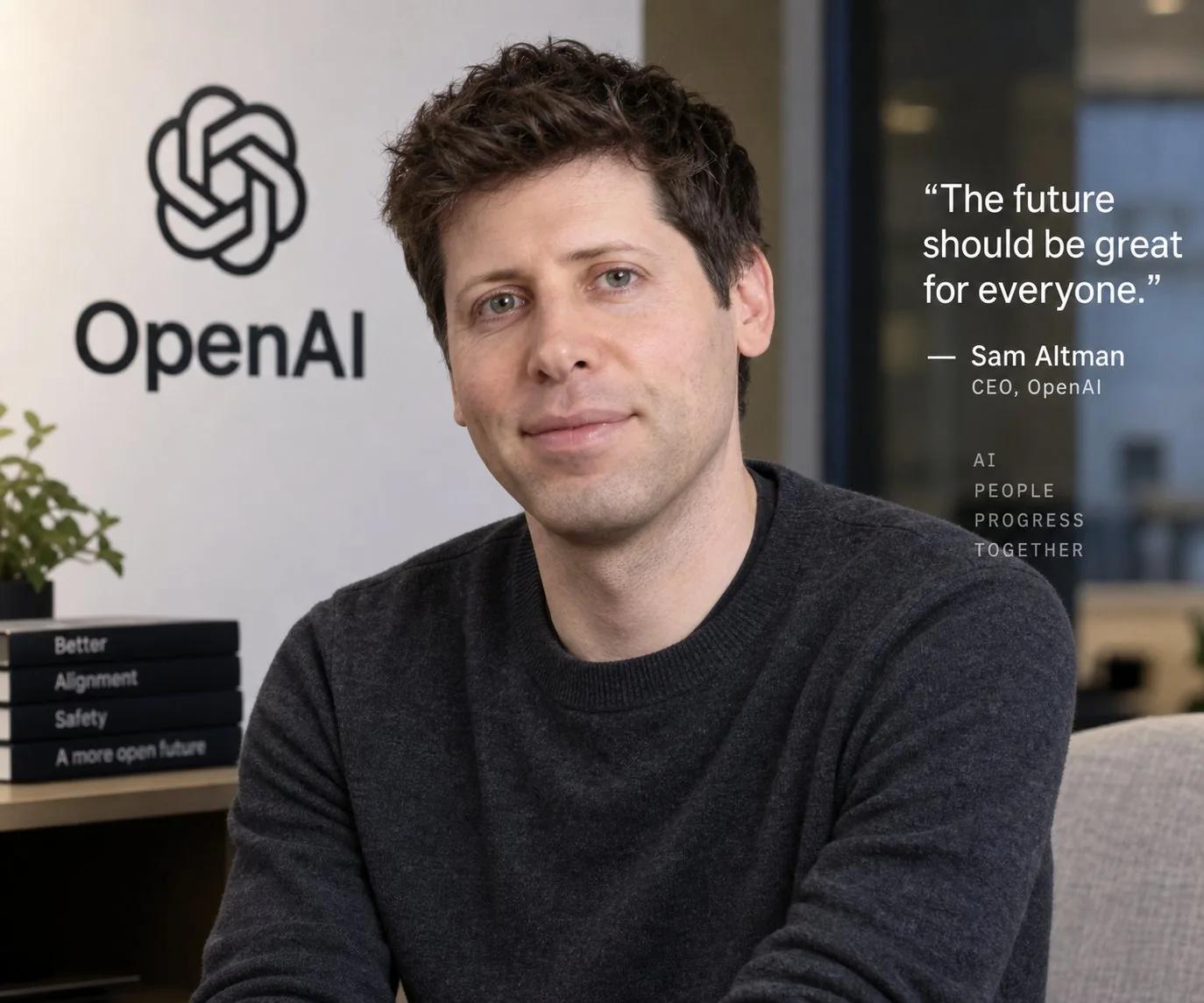
Mona Lisa 1 is an experimental Arena codename with promising community results. GPT Image 2 is the released, documented production model. The right choice depends on whether you are exploring the frontier or shipping a repeatable workflow today.
Choose Mona Lisa 1 to explore early realism, prompt-comprehension, and reference-handling signals.
Choose GPT Image 2 when documented API access, editing endpoints, and a stable model snapshot matter.
Treat every Mona Lisa 1 result as experimental until its vendor, release status, API, and pricing are officially confirmed.
Both images answer the same request to portray the model's creator. Read this as a direct community comparison, not a controlled laboratory benchmark.
Prompt: “Make an image of your creator.”
GPT Image 2
Mona Lisa 1
Visual evidence
See the Difference
Three explicitly labeled, same-task pairs show where the models converge and where their visual decisions separate. These are individual outputs, so use them to form test hypotheses—not universal rankings.
01Direct comparison · same prompt
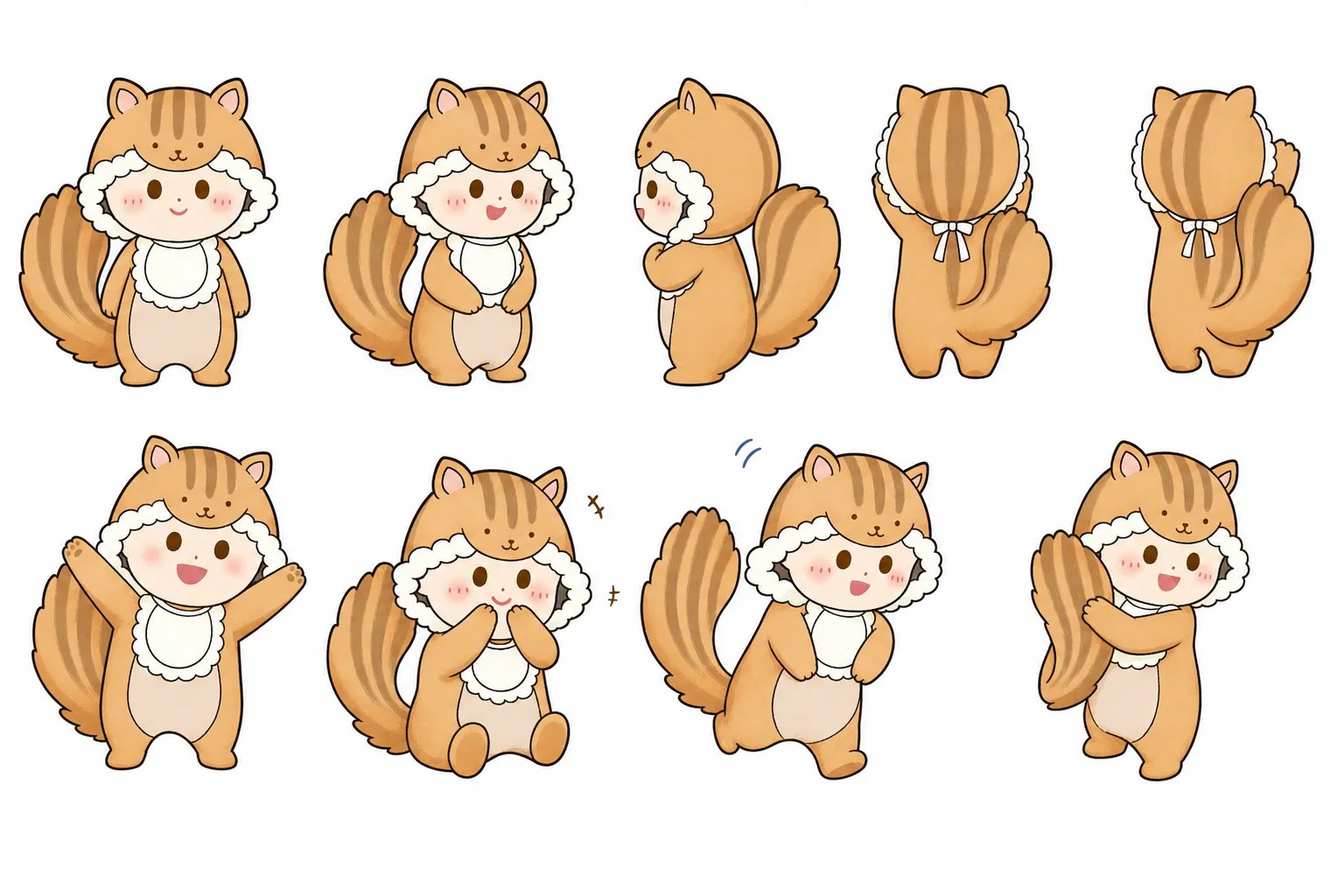
Reference consistency
Both preserve the costume concept across a usable character sheet. Mona Lisa 1 keeps a slightly fuller silhouette; GPT Image 2 offers more pose variation.
Editorial call
Close
“Build a character sheet from the supplied reference images.”
Mona Lisa 1
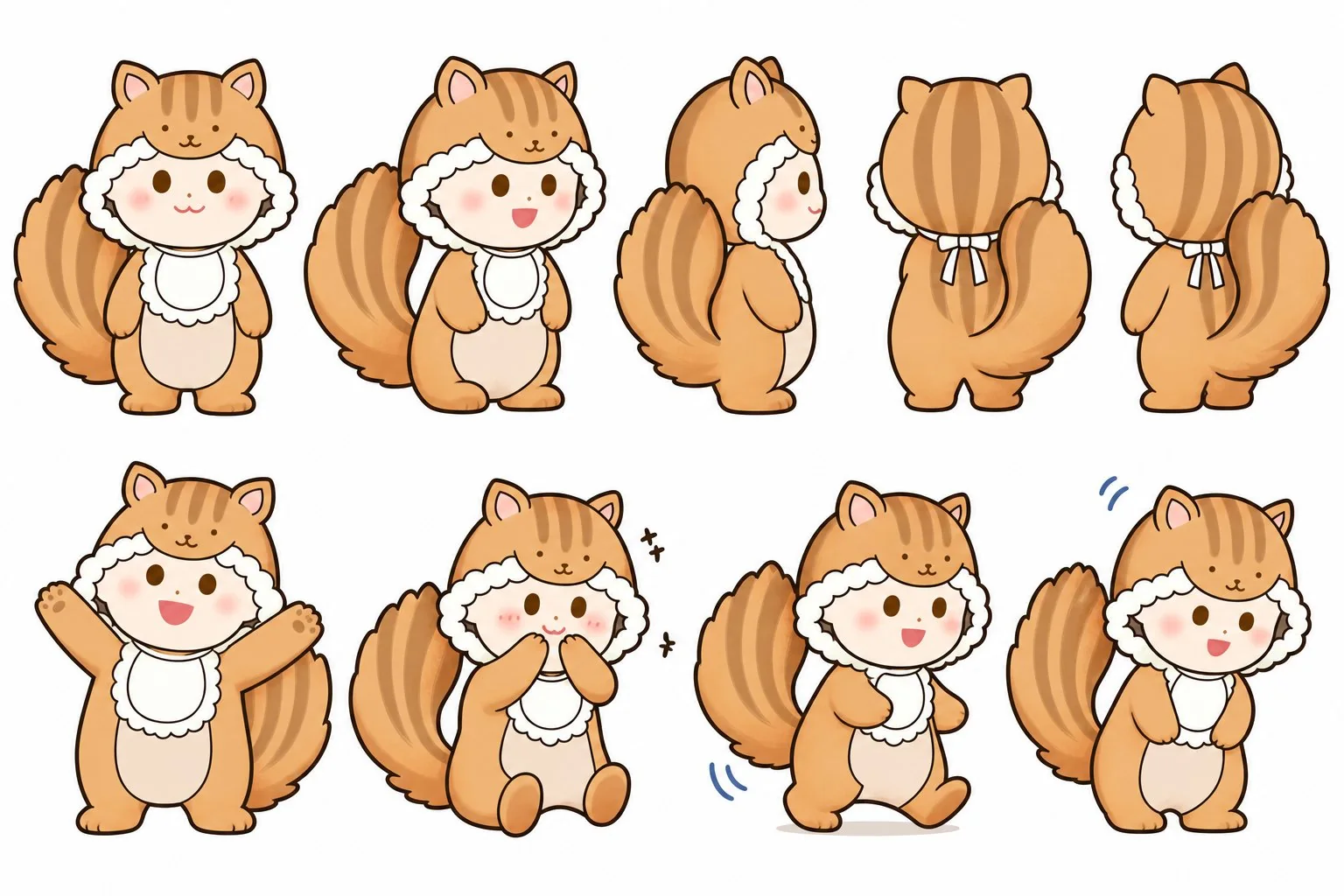
Consistent costume, face framing, palette, and tail volume across the sheet.
GPT Image 2
Comparable identity retention with a broader set of action poses.
02Direct comparison · same prompt
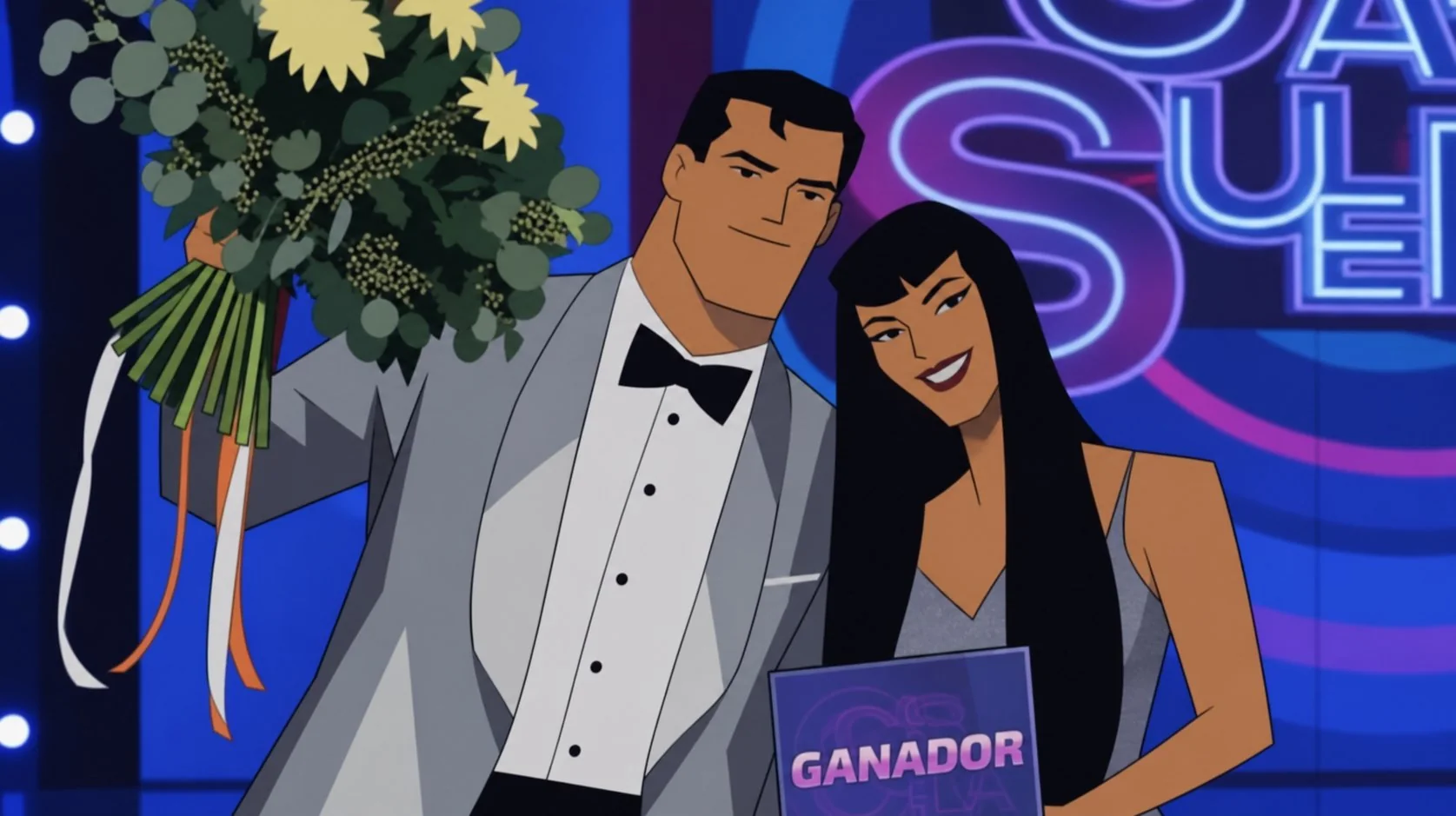
Style transfer and scene retention
Both capture the requested animated language. In this pair, Mona Lisa 1 keeps the award-show composition cleaner while GPT Image 2 adds richer floral and clothing detail.
Editorial call
Mona Lisa 1 edge
“Redraw the reference in the style of Superman: The Animated Series.”
Mona Lisa 1
Clean silhouettes, readable staging, and strong preservation of the source composition.
GPT Image 2
More surface detail and shading, with a busier interpretation of the same frame.
03Direct comparison · same prompt
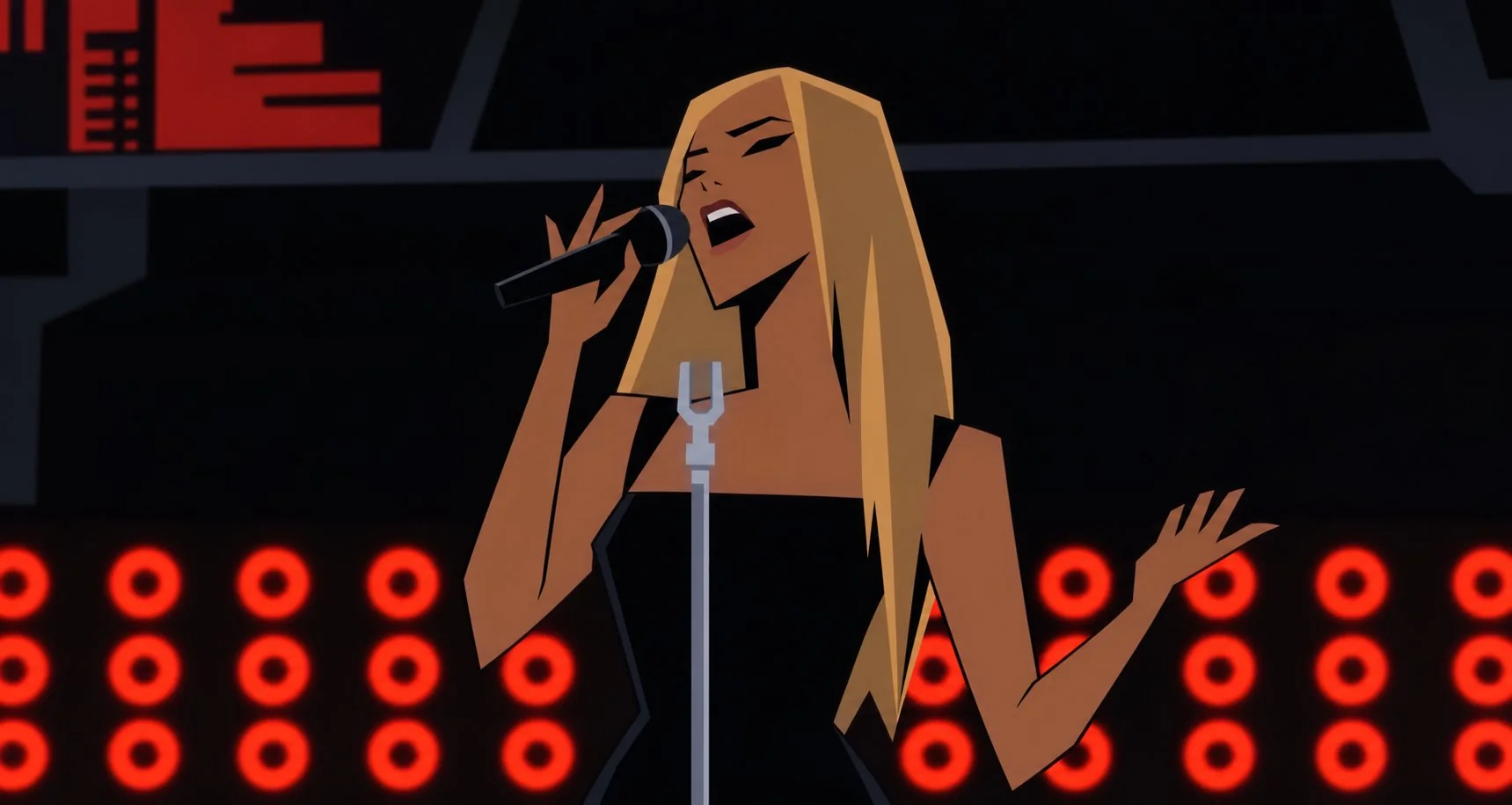
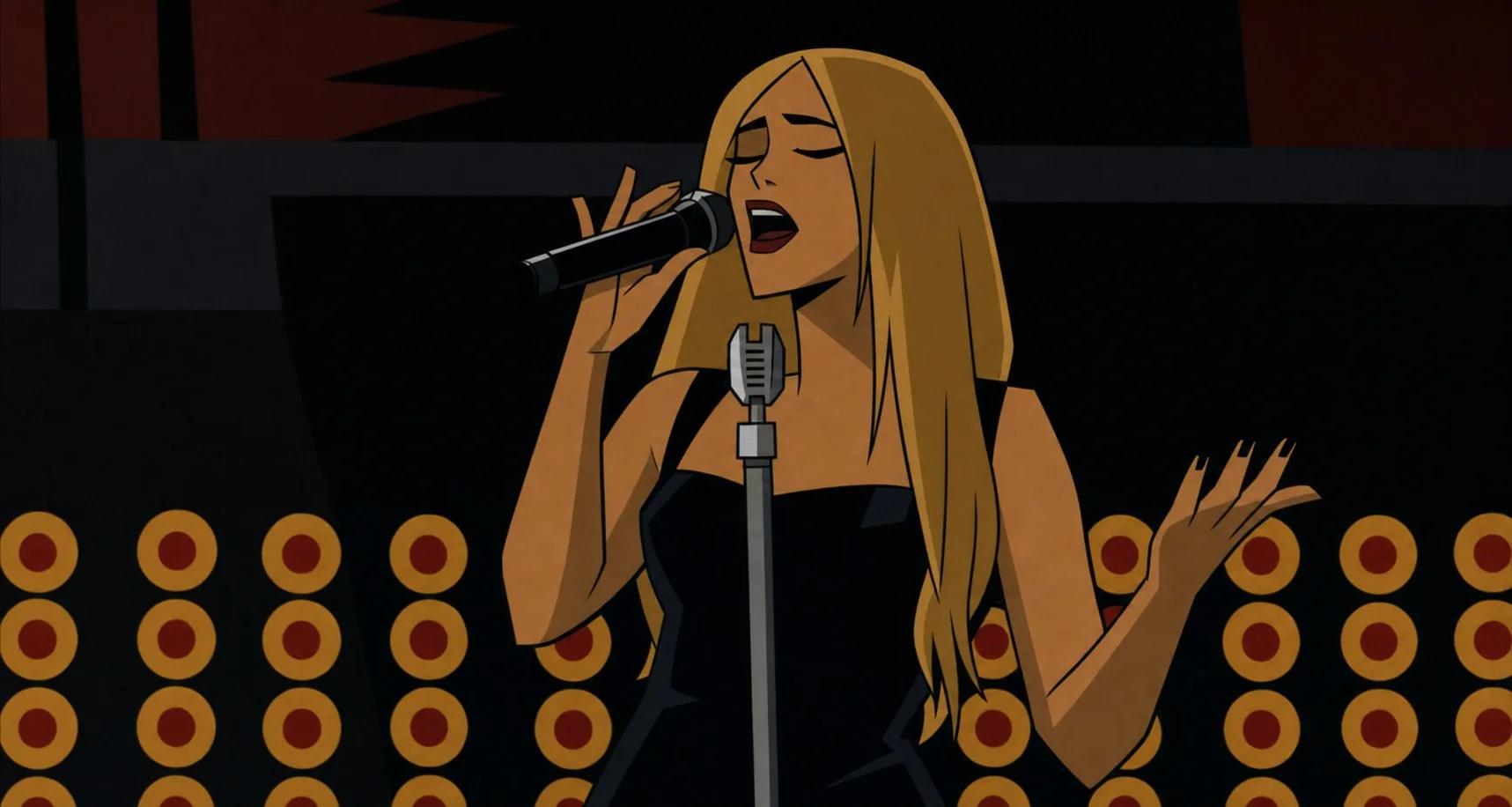
Prompted art direction
Both land the angular Batman Beyond visual language. GPT Image 2 produces the more coherent microphone and hand treatment in this single output.
Editorial call
GPT Image 2 edge
“Redraw the reference in the animated style of Batman Beyond.”
Mona Lisa 1
Strong graphic silhouette and lighting rhythm, with visible hand and microphone artifacts.
GPT Image 2
More coherent prop geometry and pose while retaining the requested angular style.
Qualitative scoring
Decision Scorecard
Qualitative, evidence-backed calls rather than synthetic benchmark numbers.
Photoreal direction
Mona Lisa 1
Promising early community signal
GPT Image 2
Strong released baseline
Mona Lisa 1, early edge
Reference consistency
Mona Lisa 1
Strong in the reviewed pair
GPT Image 2
Strong in the reviewed pair
Close
Image editing workflow
Mona Lisa 1
No verified public API
GPT Image 2
Documented image edit endpoint
GPT Image 2
Production API readiness
Mona Lisa 1
Experimental Arena access
GPT Image 2
Released API alias and snapshot
GPT Image 2
Operational predictability
Mona Lisa 1
Too early to establish
GPT Image 2
Documented access and limits
GPT Image 2
Calls combine current official GPT Image 2 documentation with direct X comparisons and mixed Reddit user reports checked on August 12, 2026.
Verified facts first
Full Technical Comparison
The most important difference is not a pixel-level feature—it is product maturity and what can be verified today.
DimensionMona Lisa 1GPT Image 2
Dimension
Current status
GPT Image 2
Mona Lisa 1
Experimental codename observed in Arena testing
GPT Image 2
Released OpenAI image model
Dimension
Verified model ID
GPT Image 2
Mona Lisa 1
None publicly documented
GPT Image 2
gpt-image-2
Dimension
Version pinning
GPT Image 2
Mona Lisa 1
Not documented
GPT Image 2
gpt-image-2-2026-04-21 snapshot
Dimension
Generation API
GPT Image 2
Mona Lisa 1
Not verified
GPT Image 2
Documented image generation endpoint
Dimension
Editing API
GPT Image 2
Mona Lisa 1
Not verified
GPT Image 2
Documented image editing endpoint
Dimension
Public evidence
GPT Image 2
Mona Lisa 1
Community Arena comparisons
GPT Image 2
Official docs, release materials, and community use
Dimension
Best fit today
Depends
Mona Lisa 1
Frontier exploration and evaluation
GPT Image 2
Production generation and editing workflows
Verdict
Where Each Model Wins
There is no honest universal winner yet. The practical split is experimentation versus production readiness.
Mona Lisa 1 wins when…
You are testing the frontier
You want to probe early realism, crowded-prompt comprehension, reference consistency, and changing Arena behavior.
A single standout result matters
You can tolerate retries, undocumented behavior, and uncertain availability to chase a particular visual outcome.
You can revalidate later
Your workflow is exploratory and can absorb changes when the model identity, release status, or interface becomes official.
GPT Image 2 wins when…
You are shipping a product
You need a documented model alias, a fixed snapshot option, and official generation and editing endpoints.
Editing is part of the loop
Your team iterates from image inputs and needs a supported workflow rather than an experimental comparison lane.
Operational certainty matters
Availability, rate limits, and vendor documentation outweigh an early visual edge in selected community tests.
Use-case routing
Which Model Should You Use?
Start with the constraint that could sink your workflow, then choose the model that removes it.
Exploratory photoreal concepts
Mona Lisa 1
Worth testing when natural texture and complex prompt interpretation are the main evaluation goals.
Production API integration
GPT Image 2
The documented alias, snapshot, endpoints, and access model make it the defensible integration choice.
Reference-driven character work
Test both
The reviewed pair is close enough that your own identities, poses, and retry budget should decide.
Iterative image editing
GPT Image 2
Editing is officially supported; Mona Lisa 1 has no verified public editing API today.
Style-transfer exploration
Test both
The two direct pairs split the editorial verdict, which argues for task-specific testing rather than a blanket winner.
FAQ
Frequently Asked Questions
What is verified, what remains experimental, and how to choose without over-reading early examples.
Run Your Own Side-by-Side Test
Use the same subject, references, constraints, and evaluation checklist. One prompt you actually ship is worth more than a dozen generic model rankings.